Photobiomodulation in Modern Cancer Care
Modern oncology treats cancer and improves patient quality of life. Cancer medicine manufacturers keep advancing. Supportive therapies now matter in comprehensive cancer care.
Photobiomodulation (PBM), also called Low-Level Laser Therapy (LLLT), uses low-intensity laser or LED light between 400–1100 nm. Reduces pain. Cuts inflammation. Supports tissue healing. No heat. No tissue damage.
Oncology pharma companies embrace integrative care models. PBM gets more attention as supportive therapy in oncology settings.
What is Photobiomodulation?
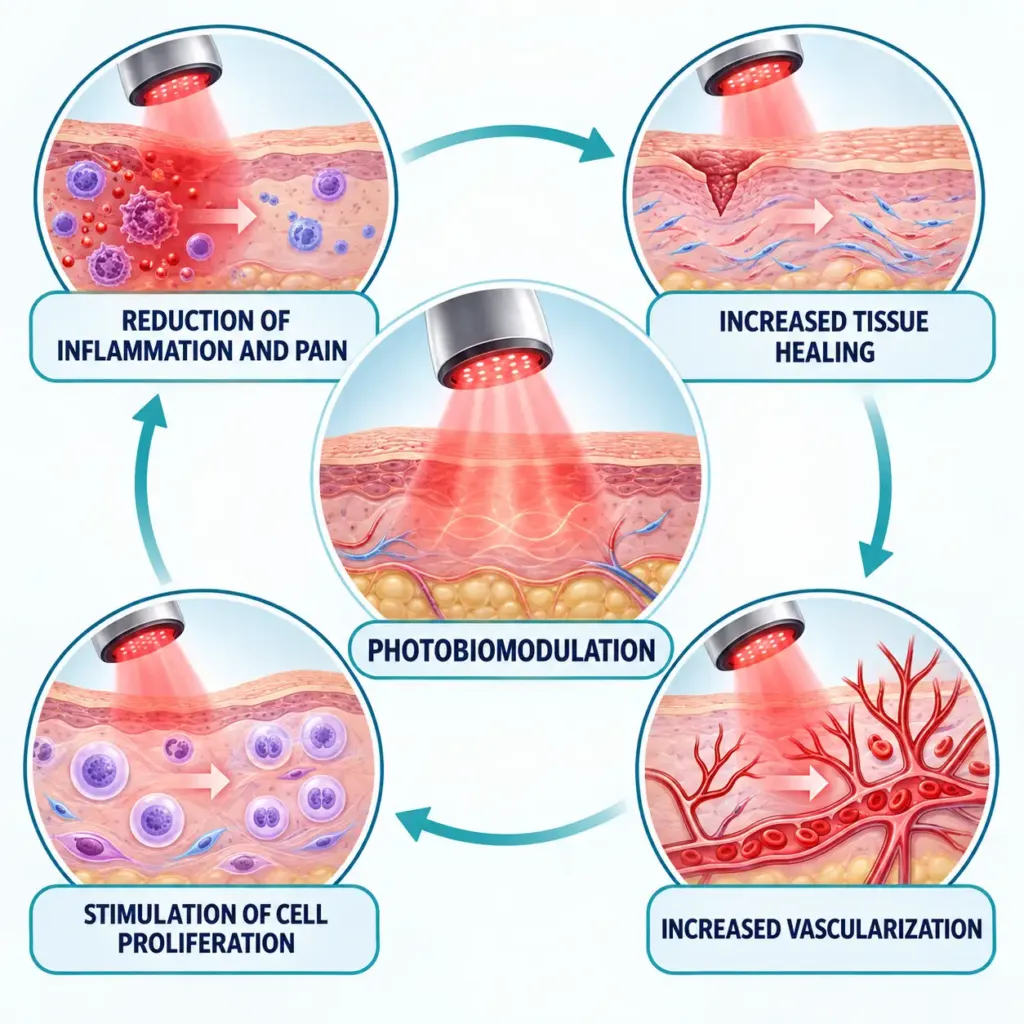
PBM is non-invasive light therapy. Specific wavelengths stimulate cellular activity. Works mainly on mitochondria. Increases cellular energy (ATP). Reduces oxidative stress. Enhances tissue repair.
Pain drops. Healing improves. Recovery gets better.
Importance of Supportive Cancer Care
Chemotherapy, radiotherapy, and surgery cause side effects. Supportive care in oncology helps patients:
- Reduce pain and discomfort
- Improve recovery
- Maintain daily functioning
- Enhance quality of life
- Reduce long-term medication dependence
Supportive cancer care matters in modern treatment.
How PBM Works
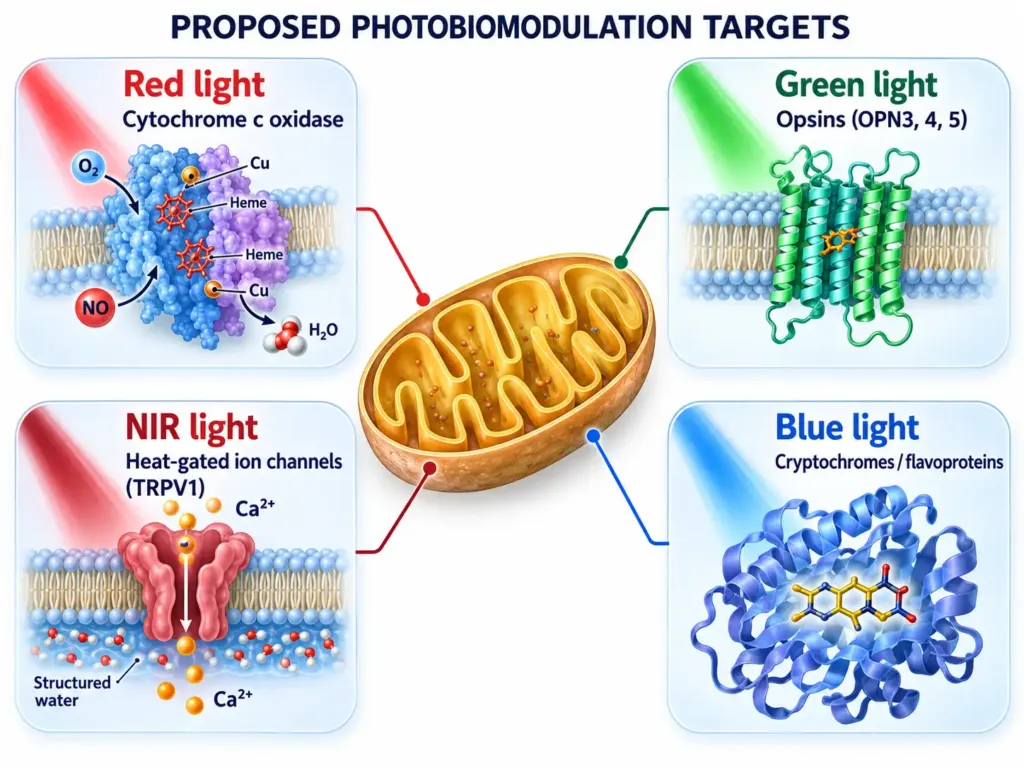
PBM delivers light energy to tissues. Cells absorb it. Converts to biological activity.
Key effects:
- Increased ATP production
- Reduced inflammation
- Improved blood flow
- Enhanced tissue repair
- Nerve regeneration support
- Reduced pain signaling
Non-invasive. No tissue damage.
Clinical Benefits
Pain Relief
PBM reduces chronic and acute pain. Works for arthritis, migraines, fibromyalgia, tendon injuries and nerve pain.
Tissue Healing
Faster wound healing. Less inflammation. Improved tissue regeneration.
Reduced Medication Use
Studies show PBM may lower reliance on pain medications, including opioids in certain patients.
Green Light Therapy
Green light spans 495–570 nm. Emerging PBM application with potential in:
- Reducing migraine frequency
- Lowering headache intensity
- Improving fibromyalgia symptoms
- Enhancing pain tolerance
- Reducing opioid use in some cases
LED-based devices are portable, affordable, safe for controlled use.
Relevance in Oncology
Literature focuses mainly on pain management. PBM reduces inflammation and supports healing. Makes it relevant in supportive oncology care.
Hospitals and oncology pharma companies explore non-drug supportive therapies. Goal: improve patient comfort alongside standard cancer treatments. PBM is not a cancer treatment itself.
Advantages of PBM
- Non-invasive and drug-free
- No thermal tissue damage
- Minimal side effects
- Portable LED devices
- Complements medical treatments
- Improves patient comfort
Future of Cancer Care
Cancer care combines advanced medicines from cancer medicine manufacturers with supportive therapies like PBM. Integrated approach improves both survival and quality of life.
Conclusion
Photobiomodulation is safe, non-invasive therapy. Supports pain relief and tissue healing. Not a cancer treatment. Promising supportive tool in modern oncology.
Oncology pharma companies and healthcare providers focus on holistic care. PBM expected to grow in improving patient well-being in cancer care.
Frequently Asked Questions
PBM uses low-level laser or LED light. Reduces pain. Supports healing.
Yes. Used as supportive therapy in oncology to improve patient comfort.
No. Not a cancer treatment. Only use as supportive care.
Yes. Safe when used correctly. Does not damage tissues.
Reduces pain. Improves healing. Supports recovery.