

Every clinic visit tells a story.
Blood reports are reviewed. Scan results are discussed. Treatment plans are adjusted. And almost without exception, patients are asked to step onto the weighing scale.
Weight has long been one of the simplest and most familiar ways to monitor health during cancer treatment. A falling number often signals nutritional decline, while a stable reading can feel reassuring for both patients and healthcare professionals.
But what if the scale is only telling part of the story?
A person may maintain a relatively stable body weight while quietly losing skeletal muscle—the vital tissue responsible for movement, strength, balance, and essential metabolic functions. These changes are not always immediately visible, yet they directly influence physical function, treatment tolerance, recovery, and overall quality of life.
A Hidden Challenge in Cancer Care

This hidden loss of muscle is one of the defining characteristics of cancer cachexia, a complex metabolic syndrome that affects many people living with cancer.
This distinction matters deeply.
Body weight represents the combined weight of muscle, fat, body water, bone, and tumor tissue. A patient may lose muscle while retaining fluid or maintaining fat mass, resulting in little or no obvious change on the scale. In short: a stable body weight does not guarantee stable muscle health.
For patients, this explains a very common and frustrating experience: why everyday activities become more difficult despite no change on the scale. Climbing stairs, carrying groceries, getting up from a chair, or simply walking longer distances may gradually require much more effort as muscle strength declines.
When Weight Loss Is More Than Weight Loss
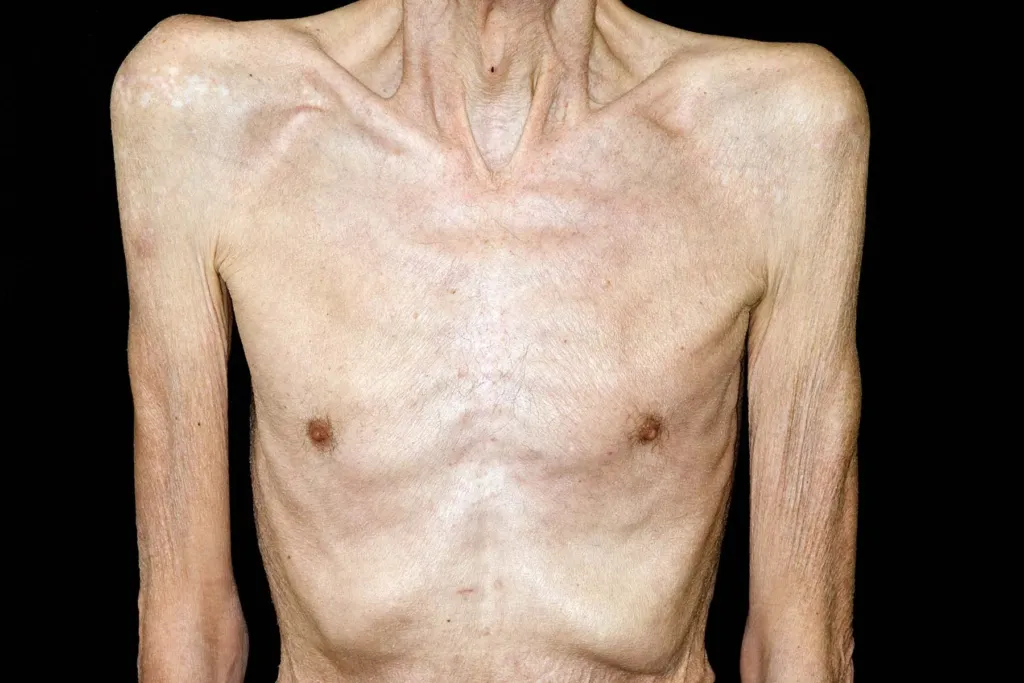
Weight loss can occur for many reasons—reduced appetite, illness, or changes in diet—and often improves with standard nutrition. Cancer cachexia is fundamentally different.
The international consensus defines cancer cachexia as a multifactorial syndrome characterized by an ongoing loss of skeletal muscle that cannot be fully reversed by conventional nutritional support alone.
Rather than resulting solely from reduced food intake, cachexia develops through a combination of lower intake and profound metabolic alterations triggered by the cancer itself:
- Systemic Inflammation: Inflammatory signals released by both the tumor and the immune system accelerate muscle protein breakdown while slowing down the body’s ability to build new muscle.
- Metabolic Shifts: The body processes protein and energy differently than it normally would.
- Compounding Symptoms: Fatigue, altered taste, nausea, pain, and lower activity levels further contribute to muscle loss.
Why Preserving Muscle Mass Matters
Skeletal muscle is often thought of simply as the tissue that allows us to move. In reality, it is one of the body’s largest and most metabolically active organs.
Healthy muscle directly supports:
- Mobility & Balance: Maintaining physical independence and preventing falls.
- Metabolic & Immune Function: Assisting with glucose metabolism and overall recovery.
- Treatment Tolerance: Preserving muscle mass helps patients tolerate treatments better, helping avoid unnecessary delays or interruptions in care.
Supporting Muscle Health: A Multidisciplinary Approach
There is no single intervention that can prevent or reverse cancer cachexia. Preserving muscle health requires a comprehensive, team-based approach:
- Early Nutritional Screening: Catching risk factors before visible decline occurs.
- Individualized Dietetics: Ensuring adequate energy and protein intake tailored to individual metabolic needs.
- Targeted Physical Activity: Appropriately prescribed exercise to stimulate and maintain muscle tissue.
- Active Symptom Management: Managing nausea, pain, and appetite changes to support daily intake.
Emerging Evidence: The Role of HMB
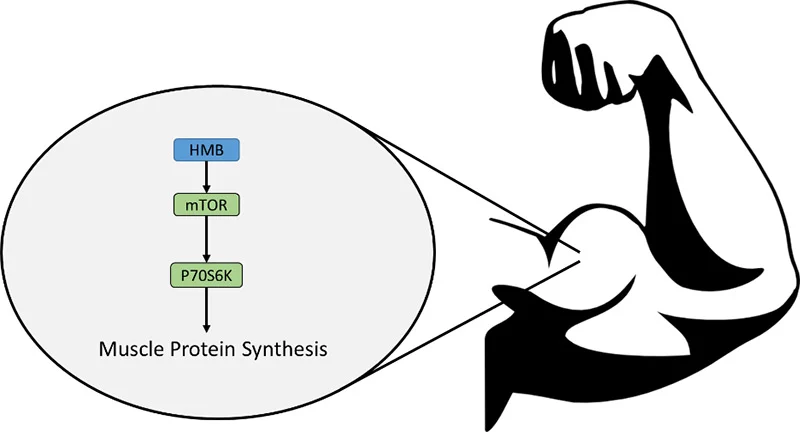
Maintaining muscle health during cancer treatment is increasingly recognized as an important aspect of supportive cancer care. Alongside individualized nutrition, physical activity, and symptom management, researchers are also exploring nutritional interventions that may help preserve skeletal muscle in selected patients.
One area receiving scientific attention is β-Hydroxy β-Methylbutyrate (HMB), a naturally occurring metabolite of the essential amino acid leucine.
- How it Works: HMB has been studied for its potential to support muscle protein metabolism by promoting synthesis while helping reduce breakdown.
- What the Research Says: A 2022 systematic review evaluating HMB supplementation in people with cancer found that roughly 80% of clinical studies evaluated a dose of 3 g/day, demonstrating potential benefits in preserving muscle mass and function in selected patient groups.
Note: The available evidence remains varied, and further clinical studies are ongoing. HMB and similar strategies are most effective when integrated into an individualized plan under medical guidance, rather than used as a standalone solution.
Three Questions to Ask Your Care Team at Your Next Visit
If you or a loved one is undergoing cancer treatment, take an active role in monitoring muscle health beyond the scale:
- Can we assess my physical strength or muscle function, rather than relying only on body weight?
- Would it be helpful for me to consult with an oncology dietitian to evaluate my daily protein and energy needs?
- What physical activities or exercises are safe for me right now to help maintain my current muscle strength?
Looking Beyond the Scale
Body weight remains an important part of routine cancer care, but it is only one piece of the picture. Assessing muscle strength, physical function, nutritional status, and overall wellbeing provides a more complete understanding of how patients are coping with treatment.
Recognizing muscle loss early creates opportunities for timely nutritional, physical, and supportive interventions that may help patients maintain strength and quality of life throughout their cancer journey.
Because sometimes, the most important changes are not reflected by the number on the scale.
References
- Fearon K, Strasser F, Anker SD, et al. Definition and classification of cancer cachexia: an international consensus. Lancet Oncology. 2011;12(5):489–495.
- Muscaritoli M, Arends J, Bachmann P, et al. ESPEN Practical Guideline: Clinical Nutrition in Cancer. Clinical Nutrition. 2021;40(5):2898–2913.
- Prado CM, Purcell SA, Laviano A, et al. Effects of β-Hydroxy β-Methylbutyrate (HMB) Supplementation on Muscle Mass, Function, and Other Outcomes in Patients with Cancer: A Systematic Review. Journal of Cachexia, Sarcopenia and Muscle. 2022.