How Advanced Drug Delivery Technologies Are Revolutionising Oncology
Cancer treatment isn’t just about new drugs anymore. Delivering therapies to the right place matters just as much. Novel Drug Delivery Systems (NDDS) are changing how we treat cancer by targeting drugs precisely, cutting side effects, and improving results.
Nanoparticles, liposomes, phytosomes, niosomes, and smart drug delivery systems are what oncology pharma companies are using now. Manufacturers are investing heavily in these technologies. NDDS is becoming essential to next-generation cancer treatments.
What Are Novel Drug Delivery Systems (NDDS)?
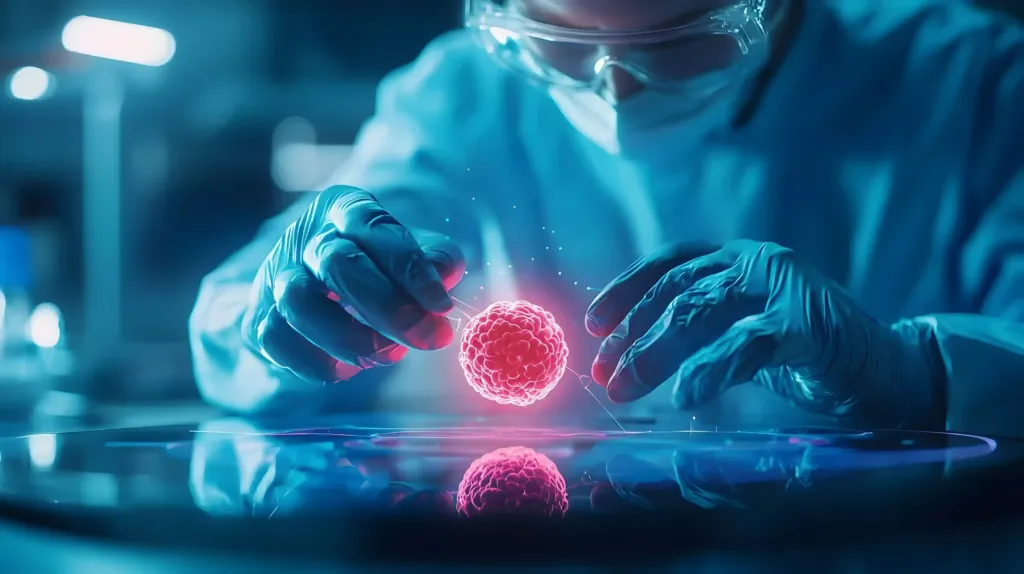
Novel Drug Delivery Systems are advanced pharmaceutical technologies that change how medicines move through the body. Conventional formulations can’t do what NDDS does:
- Drugs reach diseased tissues directly
- Bioavailability and stability improve
- Controlled and sustained drug release happens
- Systemic toxicity drops
- Patient compliance gets better
- Poor solubility, rapid metabolism, enzymatic degradation, non-specific drug distribution. NDDS tackles all these problems.
Why Drug Delivery Matters in Oncology
Oncology has a fundamental problem. Anticancer drugs need to destroy tumor cells without harming healthy tissue. Standard chemotherapy causes oral mucositis, nausea, fatigue, bone marrow suppression. Patients suffer.
Advanced drug delivery systems change this. Tumor targeting improves. Systemic exposure decreases. Cancer care becomes more effective.
Key Drug Delivery Technologies in Cancer Care
Nanoparticles
10–200 nmNanoparticles range from 10 to 200 nanometers. They protect drugs from breaking down. They circulate longer. Biological barriers come down. Controlled drug release becomes possible. High drug-loading capacity makes them valuable in modern oncology.
Liposomes
Phospholipid vesicles improve how the body absorbs drugs. Toxicity drops. Targeted delivery works better. Cancer treatments already use liposomal formulations successfully.
Niosomes
Chemical stability improves with niosomes. Drug release stays controlled. Costs stay reasonable. Targeted delivery works well. Oncology therapies could use these carriers effectively.
Phytosomes
Plant-derived compounds absorb better with phytosomes. Bioavailability goes up. Natural anticancer agents could be delivered more efficiently.
Smart Drug Delivery: The Future of Oncology

Smart drug delivery systems wait for specific triggers. Tumor pH. Enzymes. Temperature. Magnetic fields. Light. Anticancer drugs release only when these conditions appear. Tumors have unique biological environments. Healthy tissues stay protected. Damage decreases dramatically.
Emerging Technologies
Promising innovations could reshape cancer care:
DNA Origami: Programmable nanostructures allow precise drug encapsulation and targeted release.
Nanobots: Nanoscale devices deliver medicines straight to tumors with exceptional precision.
3D Printing: Personalized drug formulations become possible with customized doses and release profiles for individual patients.
Benefits for Oncology Pharma Companies
NDDS gives oncology pharma companies real advantages:
- Therapeutic efficacy improves
- Side effects drop
- Drug release stays controlled
- Patient adherence increases
- Clinical outcomes enhance
- Oncology products become differentiated
Pharmaceutical companies deliver more effective, patient-centric therapies with these tools.
Role of Cancer Medicine Manufacturers
Modern cancer medicine manufacturers can’t just develop new molecules. Advanced delivery systems matter equally. Safety improves. Efficacy increases. Patient outcomes get better. Targeted drug delivery supports personalized treatment. Oncology medicines keep their therapeutic value longer.
Conclusion
Novel Drug Delivery Systems are reshaping oncology. Precision increases. Safety improves. Effectiveness jumps. Nanoparticles, liposomes, smart drug delivery platforms, DNA origami, nanobots. All represent where cancer care is heading.
Every cancer medicine manufacturer and oncology pharma company needs to invest in advanced drug delivery technologies. Innovative, high-quality cancer treatments depend on it. Patient outcomes worldwide improve when they do.
Frequently Asked Questions (FAQs)
NDDS is an advanced pharmaceutical technology that improves how medicines are delivered by enhancing bioavailability, enabling controlled release, and targeting specific tissues.
They improve drug targeting to tumors, reduce systemic toxicity, minimize side effects, and enhance treatment outcomes in cancer patients.
Nanoparticles, liposomes, niosomes, phytosomes, hydrogels, dendrimers, and stimuli-responsive drug delivery systems are among the most commonly studied technologies.
Nanoparticles protect drugs from degradation, enhance tumor targeting, improve bioavailability, and allow controlled drug release.
Smart drug delivery systems release medicines only in response to specific biological or external triggers such as tumor pH, enzymes, temperature, light, or magnetic fields.
Oncology pharma companies develop innovative cancer therapies, invest in advanced drug delivery technologies, and improve treatment accessibility and patient outcomes.
Targeted delivery improves treatment effectiveness, reduces adverse effects, enhances patient compliance, and differentiates products in a competitive oncology market.
Future innovations include nanobots, DNA origami, personalized 3D-printed medicines, and intelligent nanocarriers that enable highly precise and individualized cancer treatment.